


Lumber Zoo
4.730.00 Reviews
App Specs
- Version
- 0.1.4
- Updated On
- License
- Free
- Downloads
- 10,000+
- Developer
- Seikami
- Categories
- Arcade
- Platform
- Android
Screenshots

 Analysis by AppCompare
I judge a mobile game by whether it fits naturally into the small gaps in my day, and a lumberyard run by animals is certainly an unusual way to fill one. Lumber Zoo is a free arcade game from Seikami, rated for Everyone, with a 4.7 average from around 300 ratings and over 10,000 installs. Its light, cartoon-like premise makes it easy to approach, though the appeal depends on enjoying steady progression and a little resource juggling rather than deep, demanding strategy.
What the purchase details tell you
The game is free to install, while optional in-app purchases are listed at $4.99 per item. That gives you a clear starting point: you can try the basic experience without paying, but there are paid items available. I would treat that as a reason to check the purchase prompt carefully, not as proof that spending is necessary or that it buys a particular advantage. The exact contents of each item matter, and I wouldn’t make a decision based on the price alone.
The current version is 0.1.4, and the listed release date is April 16, 2026. Those details are useful context when deciding whether to try a relatively early version of a game: the experience may change as it develops, so I’d pay attention to what the game actually offers on your device instead of assuming every feature is already settled. It supports Android 7.1 or newer, which makes it accessible to a range of Android devices.
Inside the animal-run lumberyard
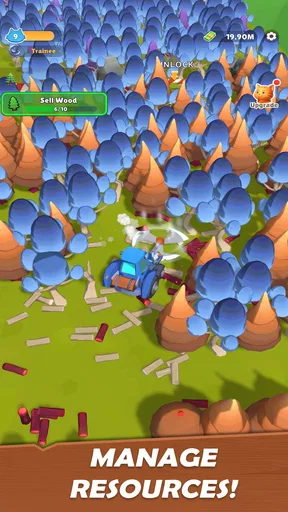
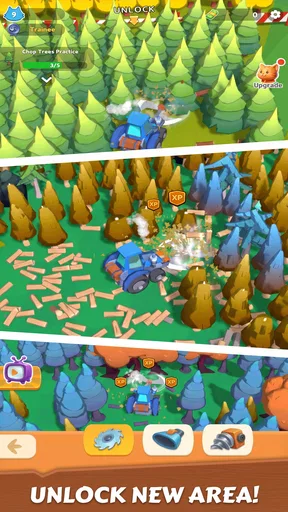
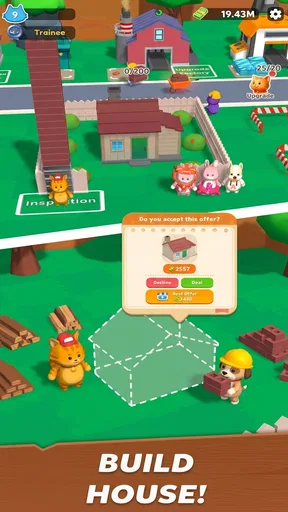
First off, the concept of Lumber Zoo is pretty unique. Imagine a zoo where the animals are not just caged exhibits but active participants in a lumberjack adventure. Yes, you heard that right. You’re in charge of managing a zoo where animals are the lumberjacks, chopping down trees, building structures, and creating an ecosystem that flourishes under your care. It sounds a bit bonkers, but that’s the charm of it.
The graphics are delightful. They’re not hyper-realistic, but they’ve got this playful, cartoonish vibe that just works. The colors pop, and the animations are smooth, adding to the overall fun experience. Each animal has its own personality, and watching them go about their tasks is oddly satisfying. Plus, the sound effects and background music are cheery and keep you engaged without being intrusive.
How the work loop feels
Now, let’s talk about gameplay. It’s pretty straightforward: you start with a few basic animals and gradually unlock more as you progress. Each animal has specific skills, and part of the game’s strategy is figuring out how to best utilize their abilities to maximize your lumber production. There’s a cute little strategy element thrown in as you decide which animals to assign to different tasks.
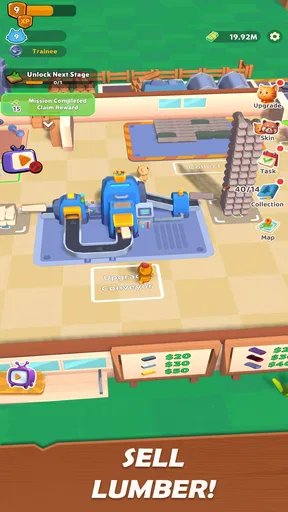
The controls are intuitive—mostly tap and swipe gestures. It's easy to pick up, which is great because nobody wants to spend ages figuring out how to play a mobile game. The tasks range from chopping wood to building structures and expanding your zoo. As you advance, you can upgrade your animals and zoo facilities, adding an addictive layer of progression.
Worth Reading Before You Choose

Flipboard Shows What News Apps Must Do Beyond the Feed

Switching to Android Auto Means Rethinking Your Driving Routine

Google Calendar Makes a Crowded Week Easier to Manage

Ludo King Makes the Most of the Minutes Between Plans

Baby Panda World Brings Quick Play to Modern Phones, but Its Game Library Feels Busy

ESPN’s Live Game View Makes Following Close Games Easier
Progress without turning it into a chore
What keeps Lumber Zoo interesting is the variety of challenges. There are daily tasks and special events that keep you coming back for more. Completing these challenges not only helps you earn resources but also gives you a sense of accomplishment. Plus, there are rewards like new animals, decorative items, and even special abilities for your furry workers.
There’s a bit of resource management involved, which keeps the gameplay engaging. You need to balance between expanding your zoo, upgrading your animals, and completing tasks. It’s not overly complicated, though, so it won’t leave you scratching your head in confusion.
Playing alongside other people
Another fun aspect is the social element. You can connect with friends, visit their zoos, and even team up for special challenges. There’s a leaderboard, too, so you can see how your zoo measures up against others. It adds a competitive edge that’s both fun and motivating.
There’s also an active community around the game. The developers seem pretty responsive to feedback, and they’re always adding new features and events based on player suggestions. It’s nice to see a game that evolves with its community.
Fairness, friction, and who will enjoy it
On fairness, I’d separate what is known from what is not. The listed purchase price is $4.99 per item, but that alone does not show whether purchases affect progress, competitive rankings, or access to particular rewards. I can’t responsibly call the game pay-to-win or promise that every player competes on equal terms without knowing what those items do. If you care about competition, try the free play first and judge whether the leaderboard feels enjoyable before spending.
There is also a practical trade-off in the game’s structure. Daily tasks and special events can make a routine feel rewarding, but they can also make a casual game feel like another appointment if you try to complete everything. I’d pick one or two goals for a short session, such as improving a worker or making progress on an expansion, and leave the rest for later. That keeps the resource decisions interesting without treating every task as mandatory.
For example, if I had a few minutes while waiting for a bus, I’d check the current task, make one useful upgrade, and stop once I’d reached a satisfying point. I wouldn’t start a session expecting a long narrative arc or a major strategic breakthrough. The appeal is in seeing a small operation develop and making simple choices about where resources go; that makes it a better fit for brief, repeat visits than for someone looking for a game that demands uninterrupted attention.
The animal assignment decisions are a useful place to slow down rather than upgrade automatically. When a new worker becomes available, I’d first look at the role it can fill and whether that role addresses a current bottleneck. Spending resources on the most visible upgrade may feel satisfying, but it can be less useful than improving the part of the operation that is holding back expansion. That sort of small prioritization gives the management layer more purpose without turning it into a spreadsheet.
Compared with a conventional arcade game built around quick reflexes, this one puts more weight on organizing workers and growing an operation. Compared with a standard zoo-management game, its lumber work gives the theme a playful twist, while the tap-and-swipe controls keep the basic interaction approachable. If what you want is precise action, a substantial story, or a simulation with detailed planning, I’d choose a different kind of game. Here, the draw is the odd animal-lumberjack idea and the gradual development around it.
Parents may also appreciate that the content rating is Everyone, but that label is not a substitute for checking purchase prompts together. Since the game is free to start and includes paid items, I’d make sure anyone playing understands that free access and optional purchases are different things. For a player who simply wants a cheerful, low-pressure arcade diversion, the purchase details need not be a reason to avoid trying it; for someone who wants a completely purchase-free environment, they are worth considering first.
What I would check before settling in
The game’s practical fit comes down to a few questions: do you enjoy gradual upgrades, are you happy to return for recurring tasks, and do you like the idea of assigning animal workers rather than controlling every action directly? If those sound appealing, its straightforward controls and light management give you an easy way in. If daily objectives feel like pressure or you dislike resource trade-offs, the same progression loop may become repetitive rather than relaxing.
I would also keep expectations grounded around social play. Visiting friends, cooperating on challenges, and comparing leaderboard positions can add a reason to return, but they are not essential to understanding the central lumberyard loop. If you prefer playing alone, you can focus on building your own operation; if you enjoy friendly competition, social elements may add motivation. The important distinction is whether comparison makes your play more fun, not whether you feel obliged to keep pace with somebody else.
One sensible way to test the game is to play without buying anything at first. Notice whether the ordinary progression feels satisfying, whether the tasks fit your schedule, and whether an upgrade changes the way you want to manage your crew. Only consider an optional item if its stated contents are clear and it addresses something you personally want. That approach avoids assuming that spending is required, while still letting you decide for yourself whether a purchase is worthwhile.
My recommendation
So, would I recommend Lumber Zoo? Absolutely! If you’re looking for a game that’s light-hearted, fun, and a bit different from the norm, give this one a shot. It’s got a charming concept, engaging gameplay, and a community vibe that makes it worth your while. Plus, it’s free to download, so there’s really nothing to lose. Just be prepared to get a little addicted!
Go ahead, unleash your inner zookeeper, and let those animals get to work. Happy chopping!
Pros
- Engaging and intuitive gameplay for all ages.
- Beautiful graphics with vibrant animal designs.
- Smooth performance with no noticeable lag.
- Regular updates introducing new features.
- Educational elements about different animals.
Cons
- In-app purchases can be quite expensive.
- Limited offline functionality.
- Ads can be intrusive at times.
- Requires a stable internet connection.
- Some levels feel repetitive after a while.
FAQs for Lumber Zoo
What is Lumber Zoo, and what can players expect from the gameplay?
Lumber Zoo is an engaging simulation game where players manage a unique zoo filled with animal-shaped trees. The gameplay involves chopping, collecting, and managing resources to expand and enhance your zoo. Players can expect vibrant graphics, strategic planning, and an immersive experience as they unlock new levels and features.
Is Lumber Zoo a free-to-play game, and are there any in-app purchases?
Lumber Zoo is free to download and play, but it does offer optional in-app purchases. These purchases can enhance gameplay by providing additional resources, special tools, or exclusive content. While not necessary to progress, they can offer a more enriched experience for those who choose to invest.
What are the minimum device requirements to run Lumber Zoo smoothly?
To enjoy Lumber Zoo without issues, players need a device running Android 5.0 or iOS 11.0 and above. Ensure your device has at least 2GB of RAM and sufficient storage space, as the game features detailed graphics and animations that require robust hardware for optimal performance.
How does Lumber Zoo incorporate educational elements into its gameplay?
Lumber Zoo cleverly incorporates educational elements by teaching players about resource management and environmental conservation. As players cultivate their zoo, they learn about the balance between growth and sustainability, making it an enjoyable yet informative experience for both younger and older audiences.
Can I play Lumber Zoo offline, or is an internet connection required?
Lumber Zoo can be played offline, allowing players to enjoy the core gameplay without an internet connection. However, certain features, like updates and social interactions, require online access. To fully experience everything the game offers, periodic internet connectivity is recommended.


